MAP Alloys is an automation-led gravity die-casting foundry engineering high-volume brake components for two- and three-wheeler systems, and scaling its capability into four-wheeler programmes. Cast to the tolerances safety-critical parts demand.
Twelve OEMs. Three million vehicles on the road. One specialism: gravity die casting for braking systems, refined since 2012 in Chakan.
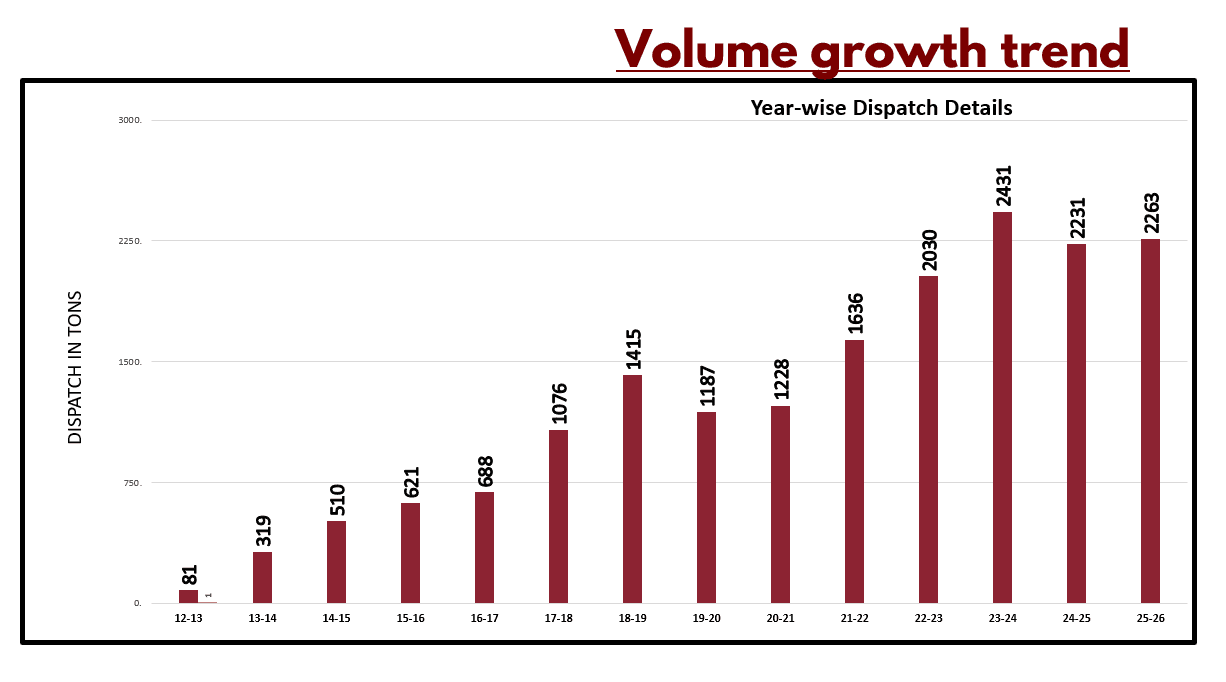
From a single unit in Chakan in 2012 to a consolidated plant of 4200 MT/annum capacity in 2025: the story of a focused foundry that never widened its scope away from brake-system components.
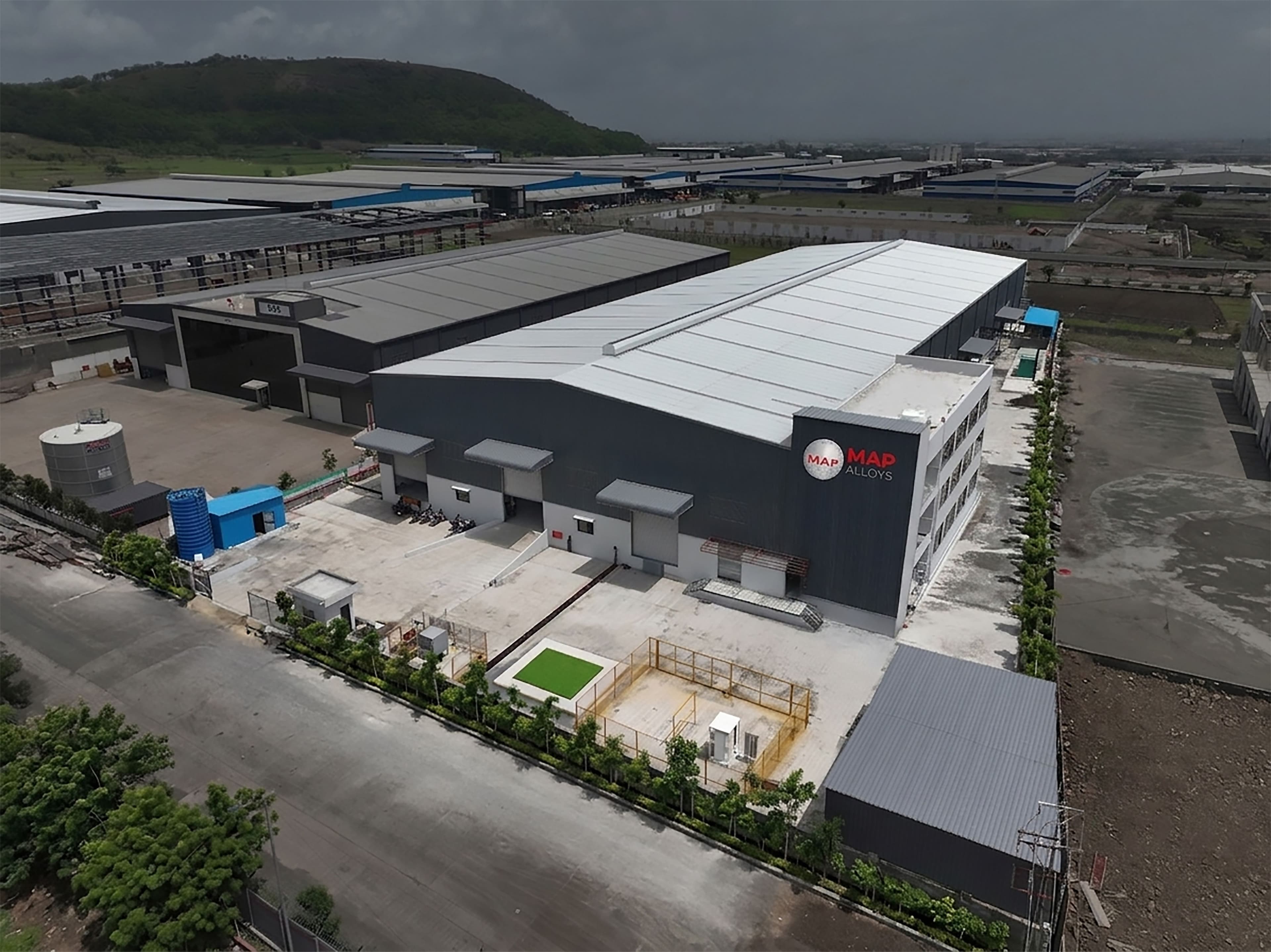
Read about MAP →The 2025 consolidation brings MAP-1, MAP-2 and MAP-3 under one roof in Chakan MIDC. Foundry plus the Renuka Engineers tool room, road-connected to JNPT for export.
See the infrastructure →Four stages, one accountable team: melt, cast, heat-treat and inspect, all on the same floor.
Six tower-type furnaces hold AC2A, LM16 or Al-Si7 to verified chemistry before any metal enters a die.
44 GDC machines, auto-pour, PLC-logged cycle traceability. Part range 100 g – 1.5 kg.
Solutionizing and ageing under logged time-and-temperature traces against the control plan.
Spectrometer chemistry, tensile testing and dimensional verification on the same floor as the line.
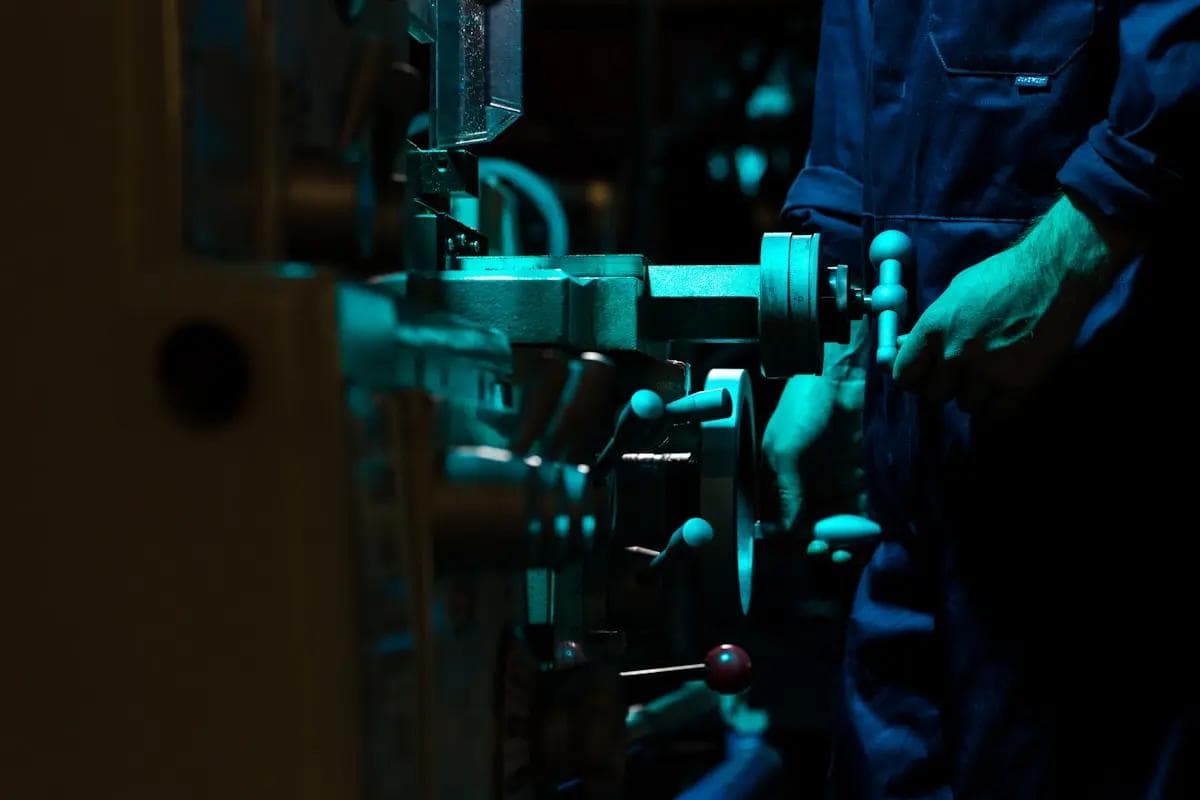
Every part we cast is a brake-system component. That focus is what allows us to invest in automation, metallurgy and inspection at the depth safety-critical work requires.
Brake components are safety-critical. Every casting is produced under certified management systems, verified through a robust control plan, capable equipment and periodic audits.
Aluminium is one of the most recyclable industrial metals. Secondary aluminium requires up to ~95% less energy to produce than primary metal. Our process is built around that advantage, and our ISO 14001 system holds it to measurable targets.
Tell us the component, the alloy and the volume. Our engineering team will respond directly, usually within two working days.