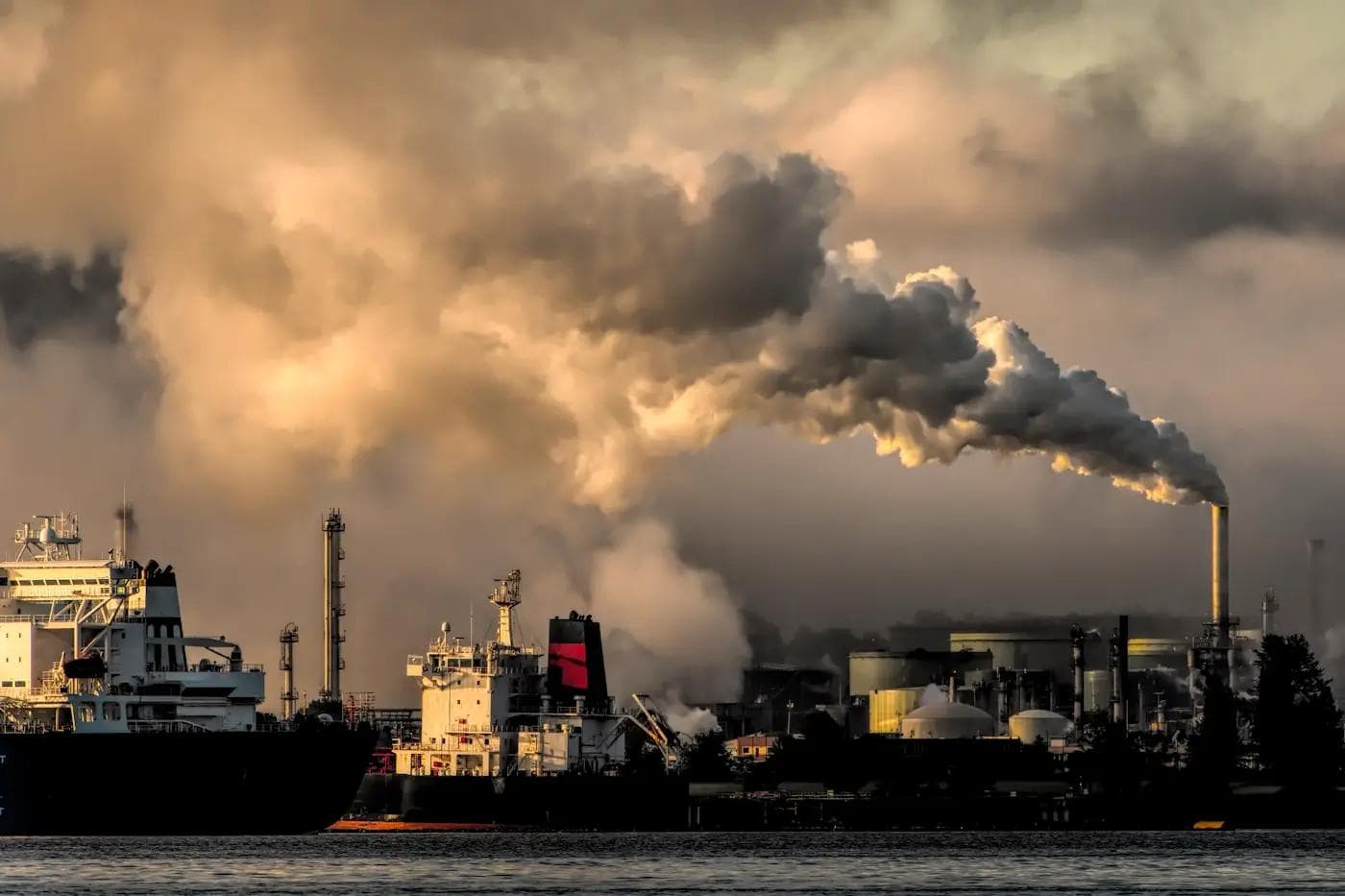
Aluminium is one of the most carbon-intensive metals to produce, and one of the most recyclable. We build our process around that fact.
Aluminium is one of the most recyclable industrial metals. Secondary aluminium requires up to ~95% less energy to produce than primary metal. Our process is designed around that advantage.
Re-melting in our own tower furnaces keeps material in the loop and lowers the energy intensity of every part we ship. ISO 14001:2015 holds the system to measurable targets, periodic audits and continual improvement, the same discipline we apply to quality.
As carbon accounting tightens (EU CBAM, scope-3 supplier reporting, OEM ESG scorecards), we work with customers to share the material, energy and process data their compliance teams need from a casting supplier.
Specific recycled-content %, renewable-energy % and per-part carbon figures will be published as they are independently verified. Customers with active scope-3 requirements can request a data sheet today.
Sustainability is also a procurement question now. We are set up to share the data our customers' compliance teams need.
Embedded-emissions data per shipment for importers declaring under the EU Carbon Border Adjustment Mechanism. Issued against customer template on request.
Material and energy data for OEM customers consolidating scope-3 supplier emissions into their annual ESG disclosures.
Standard automotive material data system submissions alongside PPAP, supporting customer end-of-life and substance compliance.
Active certification, audit history and continual-improvement evidence: the system behind any environmental claim we make.
We commit only to figures we can evidence. The areas below are where we are investing. Published numbers will follow as they are independently verified.
Increase secondary-aluminium share in feedstock, with chain-of-custody documentation for buyers who need it.
Mix of renewable energy across plant operations: the single biggest lever on per-part embedded carbon.
Measurement of kg CO₂e per part, by alloy and process route, to give customers programme-level data.
Lower water consumption and higher in-house scrap re-use, tracked under the ISO 14001 system.